Ottawa (YOW)
Three permit levels: DR for restricted areas, DA for aprons supporting aircraft turnarounds, and D for access to the whole airfield, including runways and taxiways.

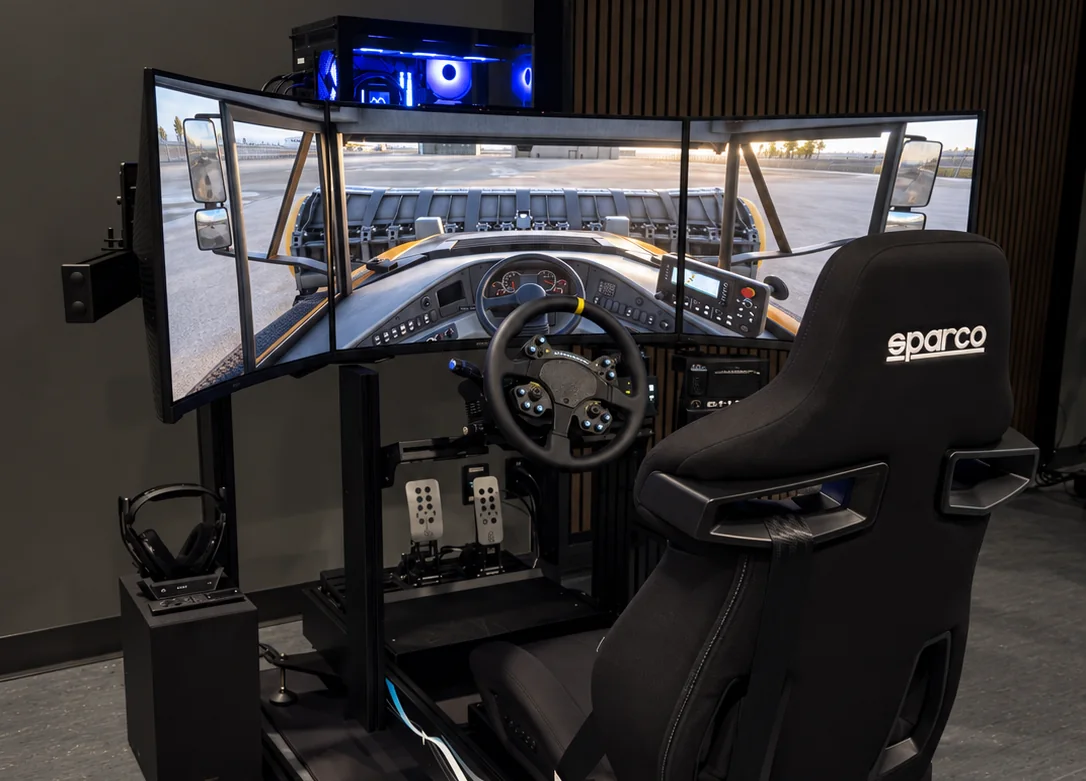
A simulator does not issue or replace an Airside Vehicle Operator's Permit (AVOP). What it does is prepare drivers for the written and practical assessments, keep recurrent training on the current layout, and teach layout changes before they open, on a 1:1 digital twin of your airport.
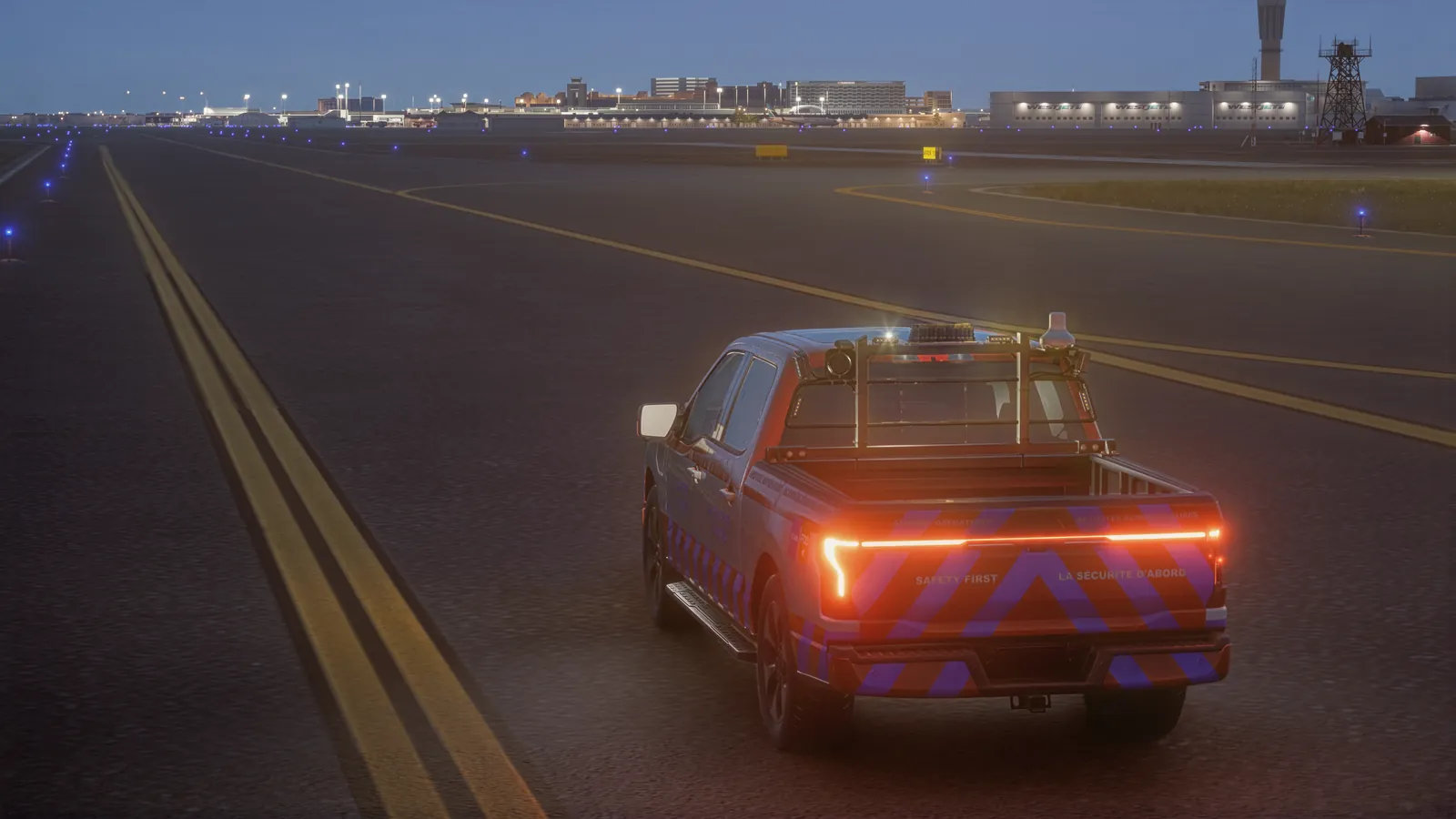
The Airside Vehicle Operator's Permit (AVOP) is what allows a person to drive airside at a Canadian airport: on the aprons and, with the right permit class, on taxiways and runways. Each airport operator runs its own AVOP program and issues the permits, so permit classes, training, tests and renewal rules differ from one airport to the next. Most programs follow the same pattern: training, a written exam on airside safety, and a practical driving evaluation with an examiner.
Permit classes and tests are set locally. These examples come from each airport's published AVOP pages, listed under Sources below.
Three permit levels: DR for restricted areas, DA for aprons supporting aircraft turnarounds, and D for access to the whole airfield, including runways and taxiways.
A multiple-choice written exam, then a driven exam. The D permit requires both a day and a night driven exam, and driven exams depend on the weather.
Classroom instruction and practical driving, a written test on airside safety, and a practical test that must be completed within three months of passing the written test.
Each of these runs on a 1:1 digital twin of your airfield, as scored missions your instructors assign from the Examiner Console.
Route familiarization on the real layout: service roads, taxiway crossings, signs, markings, hold points and hotspots.
Scored missions on your own layout, so trainees arrive at the practical evaluation already familiar with the airfield.
Darkness, fog, rain and snow on demand, so practice does not wait for the right night or the right weather.
Refresher runs on the current airfield layout at set intervals, with results kept for the training record.
A new taxiway, a relocated stand or a construction closure trained before it goes live.
Calls to a virtual ground controller with scored phraseology and readbacks, in the AI radio communication program (beta).
The AVOP is issued by the airport under its own program. That program's written and practical assessments still apply.
AVOPSIM is a training aid. It is not certified or approved by Transport Canada, the FAA or any other authority.
Where an airport's program requires supervised or on-the-job driving, those hours still have to be completed.
US airports certificated under 14 CFR Part 139 have a parallel rule: everyone who walks or drives in movement and safety areas must be trained on the airport's procedures before they start and at least once every 12 consecutive calendar months, and the airport keeps the training records (14 CFR 139.329). FAA Advisory Circular 150/5210-20A gives the guidance for ground vehicle operations. The same simulator missions support initial and annual recurrent training.
Checked on September 29, 2026. AVOP rules change, and your airport's current program always governs.